Top Dog Training Tips for Positive Reinforcement Success
- meaplatt
- May 11
- 4 min read
Training your dog can be one of the most rewarding experiences for both you and your furry friend. However, it can also be challenging if you don’t know the right techniques. Positive reinforcement is a powerful method that encourages good behavior through rewards rather than punishment. This blog post will explore effective dog training tips that leverage positive reinforcement, ensuring a happy and well-behaved pet.
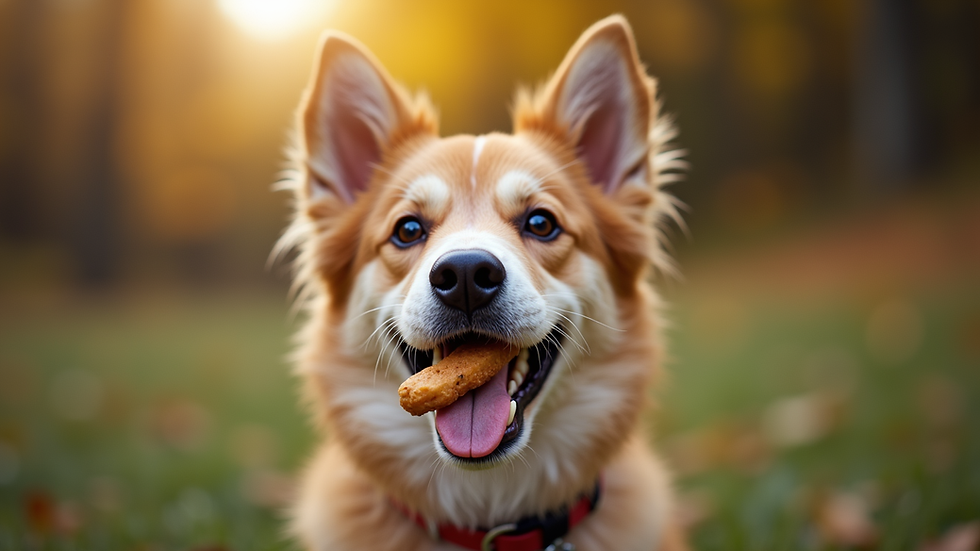
Understanding Positive Reinforcement
Positive reinforcement involves rewarding your dog for desired behaviors, which increases the likelihood of those behaviors being repeated. This method is based on the principle that behaviors followed by positive outcomes are more likely to be repeated. Here are some key points to understand:
Rewards can vary: Treats, praise, toys, or playtime can all serve as rewards.
Timing is crucial: The reward should be given immediately after the desired behavior to help your dog make the connection.
Consistency is key: Always reward the same behavior to reinforce learning.
Setting the Stage for Training
Before diving into specific training techniques, it’s essential to create an environment conducive to learning. Here are some tips to set the stage:
Choose the Right Location
Select a quiet, distraction-free area for training sessions. This helps your dog focus on you and the task at hand. As your dog becomes more proficient, you can gradually introduce distractions.
Gather Training Supplies
Have your training supplies ready before starting. This includes:
High-value treats: Use small, tasty treats that your dog loves.
Clicker: A clicker can help mark the exact moment your dog performs the desired behavior.
Leash and collar: These can help manage your dog during training.
Keep Sessions Short
Dogs have short attention spans, so keep training sessions brief—around 5 to 10 minutes. Multiple short sessions throughout the day can be more effective than one long session.
Basic Commands to Start With
Starting with basic commands is essential for building a solid foundation. Here are some fundamental commands to teach your dog using positive reinforcement:
Sit
Get your dog’s attention: Hold a treat close to your dog’s nose.
Move the treat upwards: As your dog follows the treat, their bottom will lower to the ground.
Say “Sit”: Once they are sitting, immediately reward them with the treat and praise.
Repeat: Practice this several times until your dog sits on command.
Stay
Start with “Sit”: Begin with your dog in a sitting position.
Open your palm: Show your dog your palm and say “Stay.”
Take a step back: If your dog stays, reward them. If they move, gently guide them back to the starting position.
Gradually increase distance: As your dog becomes more reliable, increase the distance and duration before rewarding.
Come
Use a long leash: Attach a long leash to your dog’s collar.
Call your dog: Use a cheerful tone to say “Come” while gently pulling on the leash.
Reward immediately: When your dog comes to you, reward them with a treat and praise.
Practice in different locations: Gradually practice this command in various environments to reinforce learning.
Advanced Training Techniques
Once your dog has mastered basic commands, you can move on to more advanced training techniques. Here are some effective methods:
Clicker Training
Clicker training is a popular method that uses a clicker to mark desired behaviors. Here’s how to implement it:
Introduce the clicker: Click the device and immediately give your dog a treat. Repeat this several times so they associate the sound with a reward.
Use the clicker during training: When your dog performs the desired behavior, click and reward them immediately.
Fade out the clicker: Over time, you can reduce the frequency of clicks as your dog becomes more reliable.
Shaping Behavior
Shaping involves rewarding small steps toward a desired behavior. This method is particularly useful for complex tasks. Here’s how to shape behavior:
Break down the behavior: Identify the steps needed to achieve the final behavior.
Reward successive approximations: Reward your dog for each small step they take toward the final goal.
Gradually increase expectations: As your dog becomes more proficient, raise the criteria for rewards.
Addressing Behavioral Issues
Positive reinforcement can also be used to address common behavioral issues. Here are some strategies:
Jumping
If your dog jumps on people, follow these steps:
Ignore the jumping: Turn away and avoid eye contact when your dog jumps.
Reward calm behavior: When your dog has all four paws on the ground, reward them with a treat and praise.
Practice with friends: Have friends help by entering your home and rewarding your dog for staying calm.
Barking
To manage excessive barking, try this approach:
Identify triggers: Observe what causes your dog to bark (e.g., doorbell, other dogs).
Teach “Quiet”: When your dog barks, say “Quiet” in a calm voice. Wait for them to stop barking, then reward them.
Practice desensitization: Gradually expose your dog to the triggers while rewarding calm behavior.
The Importance of Socialization
Socialization is a critical aspect of dog training. Exposing your dog to various environments, people, and other animals helps them become well-adjusted. Here are some tips for effective socialization:
Start Early
Begin socializing your puppy as soon as they are vaccinated. Introduce them to different people, pets, and environments to build confidence.
Use Positive Reinforcement
Reward your dog for calm behavior during socialization experiences. This helps them associate new experiences with positive outcomes.
Gradual Exposure
If your dog is fearful or anxious, take gradual steps to expose them to new situations. Start with less intimidating experiences and gradually increase the challenge.
Maintaining Training Consistency
Consistency is vital for successful dog training. Here are some strategies to maintain consistency:
Involve the Whole Family
Ensure everyone in your household uses the same commands and training techniques. This prevents confusion for your dog.
Set a Routine
Establish a regular training schedule to reinforce learning. Consistent practice helps solidify commands and behaviors.
Monitor Progress
Keep track of your dog’s progress and adjust your training techniques as needed. Celebrate small victories to keep motivation high.
Conclusion
Training your dog using positive reinforcement can lead to a strong bond between you and your pet. By understanding the principles of positive reinforcement, setting the right environment, and employing effective techniques, you can achieve training success. Remember to be patient, consistent, and celebrate the small victories along the way. With dedication and love, you can raise a well-behaved and happy dog.
Now that you have these tips, it’s time to put them into action. Start training today and enjoy the journey with your furry companion!

Comments