Unleashing Fun: Reward-Based Training for All Pets
- meaplatt
- May 11
- 4 min read
Updated: May 11
Training your pet can be one of the most rewarding experiences for both you and your furry friend. It not only strengthens your bond but also enhances your pet's behavior and overall happiness. One of the most effective methods of training is reward-based training, which focuses on positive reinforcement. This blog post will explore the principles of reward-based training, its benefits, and practical tips for implementing it with various pets.

Understanding Reward-Based Training
Reward-based training is a method that uses positive reinforcement to encourage desired behaviors in pets. This approach relies on the idea that animals are more likely to repeat behaviors that are followed by rewards. Rewards can come in various forms, including treats, praise, toys, or playtime.
The Science Behind Positive Reinforcement
Positive reinforcement works on the principle of operant conditioning, a concept developed by psychologist B.F. Skinner. In simple terms, when a behavior is followed by a pleasant outcome, the likelihood of that behavior being repeated increases. For example, if your dog sits on command and receives a treat, they are more likely to sit again in the future.
Key Principles of Reward-Based Training
Timing is Crucial: Deliver the reward immediately after the desired behavior. This helps your pet associate the action with the reward.
Consistency is Key: Use the same commands and rewards consistently to avoid confusing your pet.
Start Simple: Begin with basic commands and gradually increase the complexity as your pet learns.
Be Patient: Training takes time. Celebrate small victories and be patient with your pet's progress.
Benefits of Reward-Based Training
Reward-based training offers numerous advantages for both pets and their owners. Here are some of the key benefits:
Strengthens the Bond
Using positive reinforcement fosters trust and strengthens the bond between you and your pet. When your pet associates training with fun and rewards, they become more eager to learn and engage with you.
Reduces Fear and Anxiety
Traditional training methods that rely on punishment can create fear and anxiety in pets. Reward-based training, on the other hand, promotes a positive learning environment, reducing stress and encouraging a more relaxed demeanor.
Enhances Learning
Pets trained with positive reinforcement tend to learn faster and retain information better. This method encourages them to think and problem-solve, leading to a more mentally stimulated pet.
Improves Behavior
Reward-based training can help address behavioral issues such as barking, jumping, or chewing. By rewarding good behavior, you can effectively redirect your pet's actions and encourage more desirable habits.
Practical Tips for Implementing Reward-Based Training
Now that you understand the principles and benefits of reward-based training, here are some practical tips to get started:
Choose the Right Rewards
Select rewards that your pet finds motivating. For dogs, this might be small treats or their favorite toy. For cats, consider using catnip or interactive toys. Experiment to find what works best for your pet.
Use Clear Commands
When training, use clear and concise commands. For example, instead of saying "sit down," simply say "sit." This clarity helps your pet understand what you expect from them.
Keep Training Sessions Short
Pets have short attention spans, so keep training sessions brief—around 5 to 10 minutes. This prevents boredom and keeps your pet engaged.
Incorporate Play
Make training fun by incorporating play into the sessions. Use toys or games as rewards, and allow for playtime after successfully completing a command.
Gradually Increase Difficulty
Once your pet masters a command, gradually increase the difficulty. For example, if your dog learns to sit, try adding distractions or practicing in different environments.
Reward-Based Training for Different Pets
While reward-based training is commonly associated with dogs, it can be effective for various pets. Here’s how to apply it to different animals:
Dogs
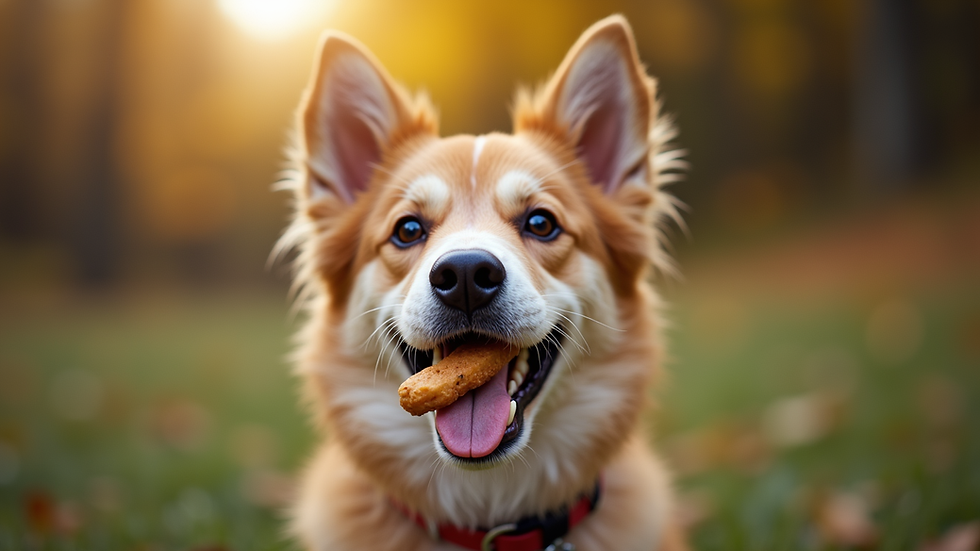
For dogs, start with basic commands like "sit," "stay," and "come." Use high-value treats and praise to reinforce these behaviors. Gradually introduce more complex commands and tricks, such as "roll over" or "play dead."
Cats
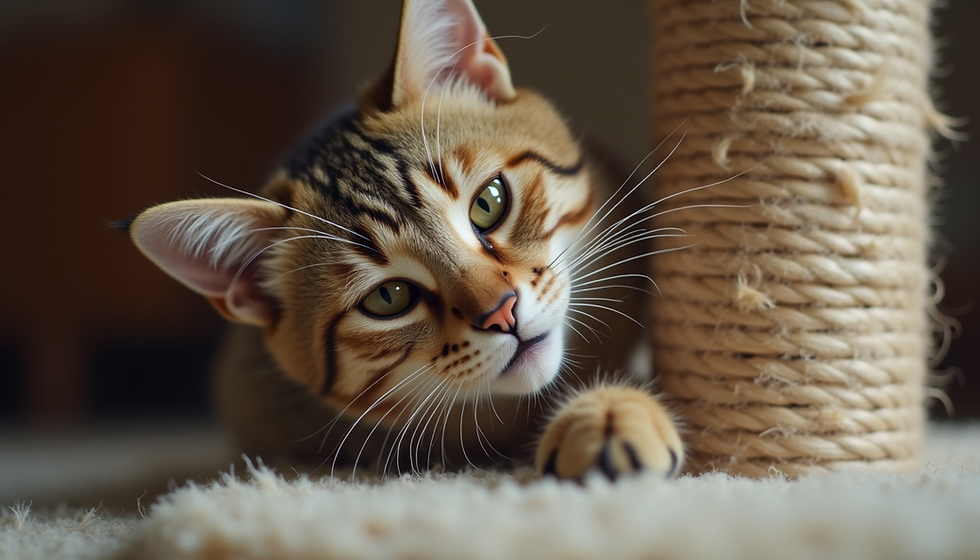
Cats can also benefit from reward-based training. Use treats or toys to encourage behaviors like using a scratching post or coming when called. Keep sessions short and engaging, as cats may lose interest quickly.
Birds
Birds can be trained using positive reinforcement as well. Use treats to reward them for mimicking sounds or performing tricks. Be patient, as birds may take longer to learn than dogs or cats.
Small Animals
Small animals like rabbits or guinea pigs can also respond to reward-based training. Use treats to encourage them to come to you or perform simple tasks, such as hopping through a hoop or walking with a leash and harness.
Common Challenges and Solutions
While reward-based training is effective, you may encounter challenges along the way. Here are some common issues and how to address them:
Lack of Motivation
If your pet seems uninterested in rewards, try different treats or toys. Some pets may prefer playtime over food rewards, so be flexible in your approach. The amount of distraction may also impact how valuable a reward is to your pet. A basic training treat may be enough to motivate your pet at home, but they may need something of higher value if you are training your dog at a park surrounded by people and dogs.
Distractions
Training in a distracting environment can hinder progress. Start in a quiet space and gradually introduce distractions as your pet becomes more confident.
Inconsistency
Inconsistent training can confuse your pet. Ensure that all family members use the same commands and rewards to maintain clarity.
Conclusion
Reward-based training is a powerful tool for enhancing your pet's behavior and strengthening your bond. By focusing on positive reinforcement, you can create a fun and engaging learning environment for your furry friends. Remember to be patient, consistent, and flexible in your approach. With time and dedication, you will see remarkable improvements in your pet's behavior and overall happiness.
As you embark on this training journey, keep in mind that every pet is unique. Tailor your approach to fit their individual needs and preferences. Happy training!
Comments